
Table of Contents
Every phone call matters for nonprofits. Whether staff members are responding to donors, coordinating volunteers, managing community outreach, or supporting people who rely on their services, communication needs to be reliable and easy to manage.
Unfortunately, many organizations still depend on outdated nonprofit communications systems that create unnecessary costs, missed opportunities, and daily frustration.
That’s why more nonprofits are turning to a nonprofit VoIP service.
VoIP, short for Voice over Internet Protocol, allows organizations to make and receive calls using an internet connection instead of traditional phone lines.
A VoIP system gives nonprofits access to flexible communication tools without the large infrastructure and maintenance costs tied to older technology.
Cloud-based phone technology helps nonprofit organizations stay connected with donors, staff, volunteers, and callers from virtually anywhere.
Whether employees are in the office, working remotely, or helping organize fundraisers and upcoming events, a cloud-based phone system helps teams connect more efficiently.
In this guide, we’ll explain:
- How VoIP for nonprofits works
- What key features to look for
- The biggest benefits for nonprofit organizations
- How to choose the right VoIP provider for your organization.
What Is a Nonprofit VoIP Phone System?
A nonprofit VoIP phone system is a business phone system that uses internet protocol technology to manage voice communications over the internet rather than through traditional copper phone lines.
Instead of relying on expensive physical hardware installed onsite, VoIP phone systems operate through the cloud. Staff members can use desk phones, softphones, mobile devices, and even cell phones to receive calls, manage messages, host conference calls, and join video meetings.
Because VoIP systems work online, nonprofits gain more geographic flexibility and easier access to communication tools across multiple locations.
VoIP systems also combine voice, messaging, video conferencing, and video calls into a unified platform. This gives nonprofits a more streamlined way to manage communication without juggling separate apps and disconnected services.
Solutions like Rhode Island Telephone’s nonprofit VoIP service help organizations simplify communication with scalable cloud technology, professional setup, training, and ongoing support.
Why More Nonprofits Are Switching to VoIP
Most nonprofits operate on a tight budget, so lowering communication costs matters. However, the benefits of VoIP for nonprofits extends far beyond lower costs.
Traditional phone systems are often difficult to scale, expensive to maintain, and limiting for remote work or hybrid teams. Organizations relying on outdated phone technology may struggle to keep up with changing communication needs.
A VoIP phone system solves a lot of these challenges.
Lower Costs and Predictable Pricing
One major advantage of VoIP solutions is cost control. VoIP technology can reduce communication costs for nonprofits by up to 50% compared to traditional providers.
Because a VoIP system operates online, organizations avoid many of the infrastructure costs tied to maintaining older phone equipment. There’s less physical hardware to manage, fewer repair bills, and fewer surprise expenses.
Many providers also offer nonprofit-friendly pricing and scalable services that fit smaller budgets.
Better Geographic Flexibility
Nonprofits rarely operate from one location anymore. Staff may work from home, volunteers may travel between events, and leadership teams often split time across offices and community programs.
VoIP services support geographic flexibility by allowing employees to make and receive calls from anywhere with a stable internet connection. Staff can use mobile apps and desktop softphones while still using the organization’s official VoIP phone number.
This geographic flexibility allows teams to stay connected even during remote work situations, fundraising events, or emergency disruptions.
Easier Scalability as the Organization Grows
Traditional phone systems can become difficult and expensive to scale as an organization grows.
With VoIP for nonprofits, administrators can quickly add or remove users, virtual lines, and calling features without major installation projects. During donation drives or seasonal campaigns, organizations can instantly add temporary users or volunteers to support increased call volume.
That flexibility makes it easier for organizations to adapt without rebuilding the entire phone system every few years.
Key Features to Look for in a VoIP System
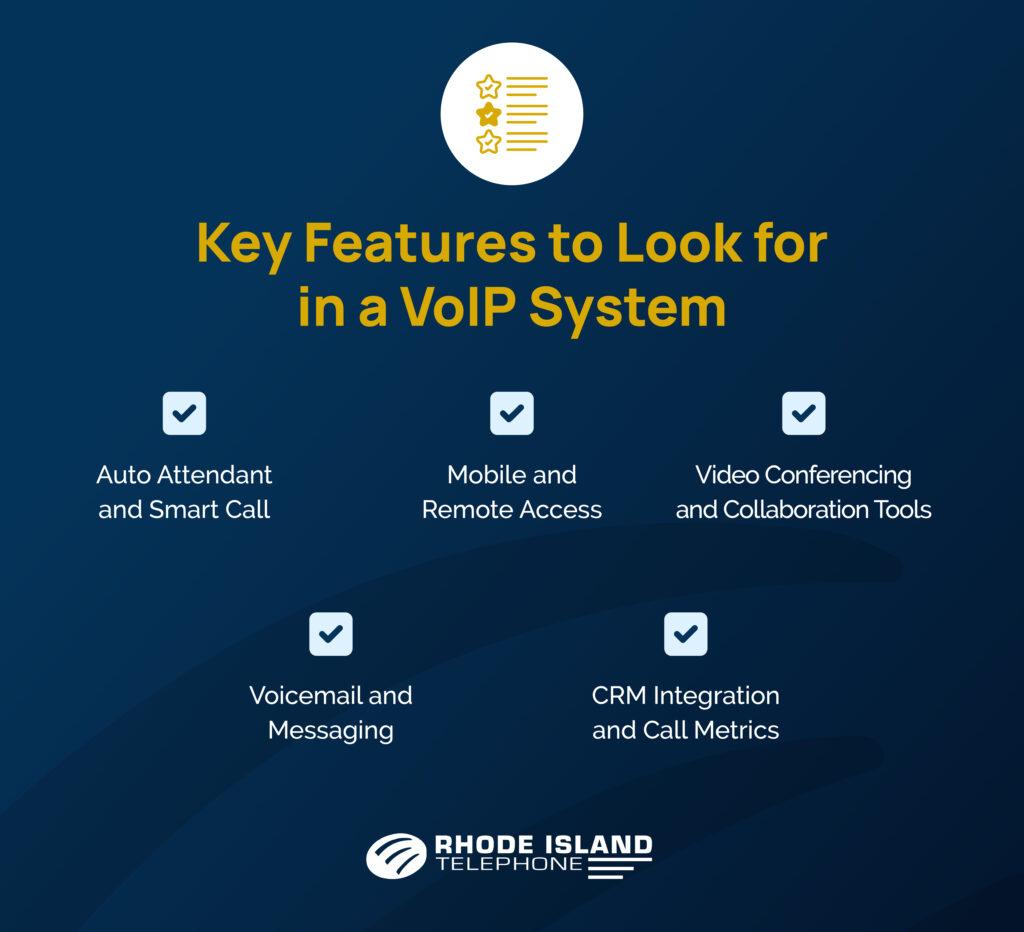
Not every VoIP provider has the same features offered or level of support. Nonprofits should focus on tools that improve communication, simplify daily operations, and help employees work more efficiently.
Auto Attendant and Smart Call Routing
An auto attendant answers incoming calls and directs callers to the right department or employee automatically.
This creates a more professional experience for callers while reducing pressure on front office employees. Smart call forwarding and routing also help organizations manage higher call volume during campaigns or community outreach.
Mobile and Remote Access
A strong VoIP service should support mobile communication across multiple devices.
Employees should be able to use mobile apps, laptops, VoIP phone devices, and cell phones to connect with donors, volunteers, and community partners from anywhere.
This type of access improves team performance while helping organizations stay responsive outside of standard office hours.
Video Conferencing and Collaboration Tools
Most nonprofit organizations now rely on video meetings, conference calls, and team collaboration tools daily.
VoIP systems often include built-in video conferencing, instant messaging, and video calls alongside traditional voice communication. Having these features within a single system simplifies communication and improves team performance.
Voicemail and Messaging Tools
Communication tools should help employees respond quickly and stay organized.
Features like voicemail transcriptions, caller ID, voicemail-to-email, and SMS messages make follow-ups easier while improving communication with donors and volunteers.
Integrated messaging tools also help nonprofit organizations connect with younger supporters who prefer texting over phone calls.
CRM Integration and Call Metrics
Some VoIP service providers integrate directly with donor management or CRM software.
This allows organizations to track conversations, monitor call metrics, review usage patterns, and personalize donor outreach. During calls, employees may even see donor history instantly, helping teams build stronger relationships.
Common Questions About VoIP for Nonprofits
What is nonprofit communication?
A nonprofit communication system refers to how nonprofits share information. This can include calls, email campaigns, video calls, social media, fundraising outreach, and community updates.
What is the main disadvantage of VoIP?
The biggest drawback of a VoIP system is that it depends heavily on a stable internet connection. Poor internet service can affect voice quality or disrupt calls. That’s why choosing a reliable phone system and an experienced provider is important.
Is there a totally free VoIP?
Some VoIP service providers offer free or limited plans, but many organizations eventually need more advanced features, better security, support services, and scalability. Free options may lack professional calling features or support.
What is the cheapest way to have a business phone?
For many nonprofit companies, cloud-based phone services offer the best balance between affordability and functionality. Compared to traditional phone systems, cloud VoIP for nonprofits generally provides lower setup costs, flexible pricing, and fewer maintenance expenses.
How to Get Started With VoIP for Nonprofits
Choosing the right provider starts with understanding the needs of your nonprofit’s business phone system.
Evaluate Your Current Phone System
Start by reviewing your current phone service.
Are employees missing calls? Are you paying too much for outdated services? Are there limitations around mobile access, conference calls, or remote communication?
Understanding these challenges will help narrow down the right provider.
Prioritize the Features You Need Most
Every organization has different communication priorities.
Some nonprofits may need stronger video conferencing tools, while others may prioritize call forwarding, mobile access, or donor communication tools.
Focus on the features that support your mission, improve productivity, and simplify communication.
Ask About Support and Demo Options
Before choosing a provider, ask whether they offer training, onboarding, or a demo period.
A demo period allows employees to test the system before making a long-term decision. Many providers also offer setup assistance and ongoing support services.
Choose a Provider That Understands Nonprofits
The best VoIP service providers understand the unique challenges nonprofits face.
Rhode Island Telephone’s nonprofit VoIP phone system solutions are designed specifically for nonprofit organizations that need flexible communication, scalable services, secure voice technology, and predictable pricing.
Their CloudWorx solution includes features like auto attendant tools, fax-to-email, mobile access, encrypted communications, future-ready updates, and free lifetime support.
Modern Communication Helps Nonprofits Focus on Their Mission

A reliable phone system supports far more than basic communication. It helps nonprofits improve donor engagement, support volunteers, coordinate employees, and stay connected with the communities they serve.
The right VoIP provider can help your organization lower costs, improve geographic flexibility, simplify communication, and reduce maintenance headaches.
For organizations exploring cloud-based phone solutions for the first time, VoIP for nonprofit organizations offers a practical and scalable path forward.
To learn more about Rhode Island Telephone’s hosted phone system for nonprofits and cloud communication services, visit the cloud VoIP for nonprofits page and explore the right setup for your organization. Then, reach out to get started!