Table of Contents
Choosing the right phone service for nonprofit organizations is no longer just about having a dial tone. Today, nonprofits operate across offices, events, and remote environments, which means your phone system needs to support far more than basic calls.
From donor engagement to outreach and volunteer coordination, communication plays a direct role in how effectively an organization operates. The question many nonprofit organizations are asking now is simple: should you stick with traditional phone lines, or move to a modern VoIP system?
Why Phone Systems Matter for Nonprofit Organizations
Nonprofit organizations rely heavily on consistent communication. Whether it’s handling incoming and outgoing calls, organizing campaigns, or coordinating teams, your phone system directly impacts your ability to stay connected.
Many organizations relying on outdated tools struggle with missed opportunities, dropped calls, and limited flexibility. When nonprofits operate across multiple locations or have staff working remotely, these challenges become even more noticeable.
A modern business phone system helps teams:
- Stay connected across locations
- Manage volunteers and staff more efficiently
- Handle higher call volume during campaigns
- Improve donor engagement and follow-ups
What Is a Traditional Phone System?
Traditional phone systems use physical wiring and infrastructure to connect calls. These systems have been widely used for decades and are still common among nonprofit organizations with a single office setup.
Benefits of Traditional Phone Services
- Familiar and easy to use
- Not dependent on an internet connection
- Reliable for simple phone calls
Limitations of Traditional Phone Lines
However, traditional phone services come with limitations:
- Limited geographic flexibility
- Higher infrastructure costs and maintenance
- Difficulty scaling as your organization grows
- Limited features compared to modern systems
For nonprofit organizations managing events or outreach, these limitations can slow down operations and reduce team performance.
What Is a VoIP Phone System?
A VoIP phone system uses internet protocol to transmit calls over an internet connection instead of physical phone lines. This allows nonprofit organizations to move away from physical hardware and toward a more flexible, scalable solution.
A virtual phone system enables staff to make and receive calls from:
- Desk phones
- A cell phone
- Laptops and mobile apps
This flexibility makes VoIP for nonprofits especially useful for organizations working remotely or across multiple locations.
VoIP vs Traditional Phone Systems: Key Differences
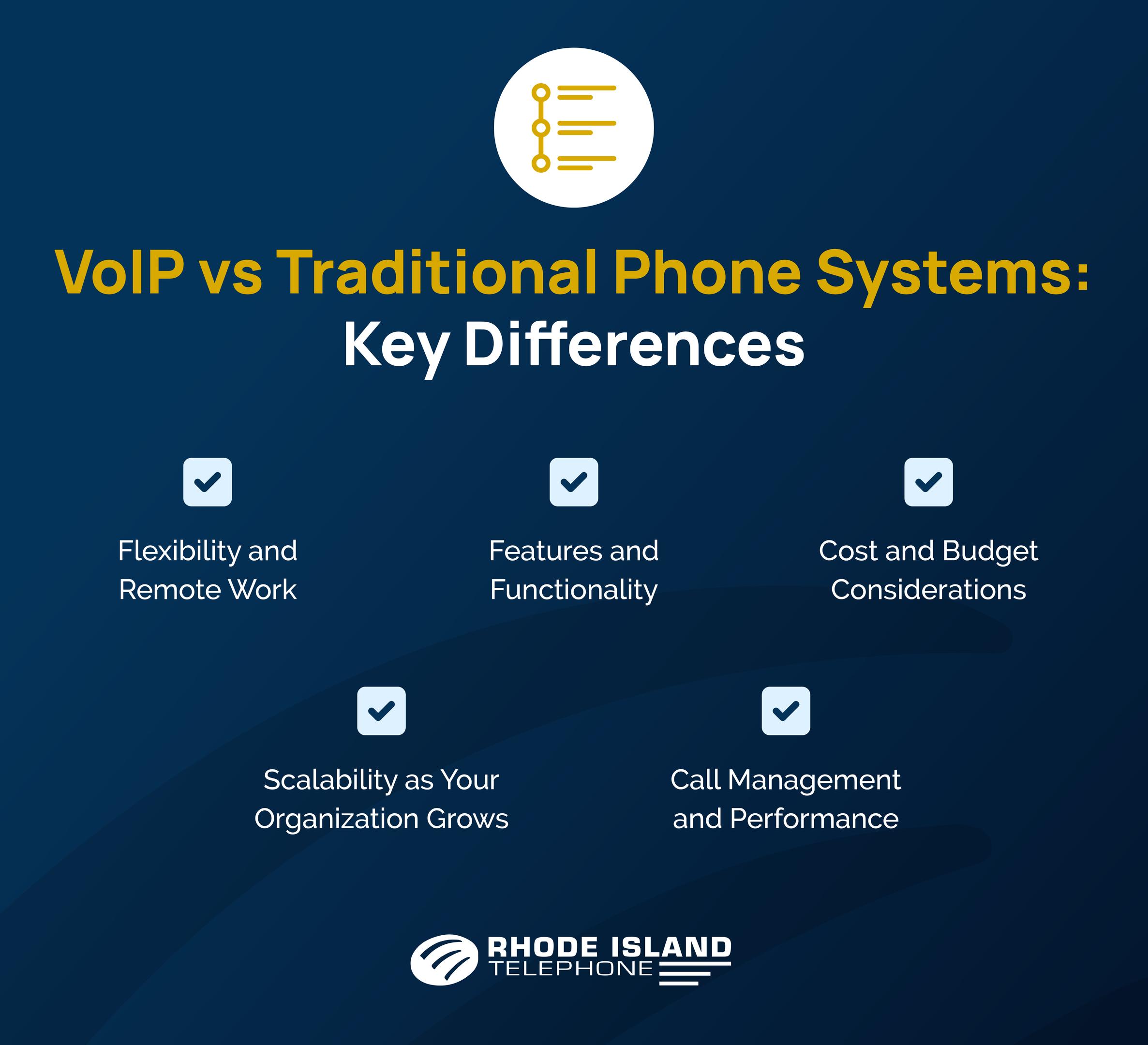
Understanding traditional phone lines vs VoIP comes down to how each system supports real-world nonprofit operations.
1. Flexibility and Remote Work
Traditional phone:
- Tied to a physical office
- Limited support for working remotely
VoIP system:
- Enables geographic flexibility
- Staff can make direct calls from anywhere during and outside of business hours
- Supports mobile apps and softphones
This is critical for nonprofits that organize fundraisers or operate in the field.
2. Features and Functionality
Modern VoIP phone systems come with advanced features that traditional phone systems simply can’t match.
Key features include:
- Auto attendant for after-hours call handling
- Call routing to direct callers to the right person
- Call forwarding to ensure no calls are missed
- Voicemail to email and voicemail transcriptions
- Instant messaging and video calls
These features help improve customer experience and ensure every call is handled efficiently.
3. Cost and Budget Considerations
Nonprofits often operate with tight budgets, so cost effectiveness matters.
Traditional phone systems:
- Higher setup and maintenance costs
- Ongoing infrastructure costs
VoIP solutions:
- Lower overall costs
- Budget-friendly pricing
- Reduced need for physical hardware
In many cases, nonprofit organizations can see significant cost savings by switching to a VoIP service.
4. Scalability as Your Organization Grows
As your organization grows, your communication needs change.
Traditional phone system:
- Difficult to scale
- Requires additional hardware and installation
VoIP system:
- Easily add unlimited users
- Adjust services as needed
- Ideal for seasonal staffing or campaigns
5. Call Management and Performance
Handling calls efficiently is critical for donor engagement and outreach.
VoIP providers offer tools that help:
- Manage high call volume
- Improve team performance
- Reduce missed opportunities
Features like call routing and call forwarding ensure callers are always connected to the right person.
Why VoIP Works Well for Nonprofits
VoIP for nonprofits is designed to support the way modern organizations operate.
Benefits include:
- Ability to stay connected from anywhere
- Better donor engagement through smarter call handling
- Easier coordination to manage volunteers
- Improved flexibility for working remotely
Many of the best VoIP service providers also offer integration with CRM systems, making it easier to track interactions and follow ups.
Choosing the Right VoIP Provider
Not all VoIP service providers are the same.
When evaluating a VoIP provider, look for:
- Strong support and service
- User-friendly interfaces
- Reliable performance
- Scalable VoIP solutions
A good provider will help ensure your organization can handle both incoming and outgoing calls efficiently.
A Practical Option for Local Nonprofits
Rhode Island Telephone offers both traditional phone services and cloud-based VoIP service options, helping nonprofit organizations choose what works best for their needs.
Our approach focuses on:
- Flexible phone systems for nonprofits
- Local support and service providers
- Scalable solutions as your organization grows
Feel free to explore our nonprofit phone system options or call us for help getting started.
Choosing Between a Traditional Phone System and a VoIP System
This comes down to how your organization communicates.
For nonprofit organizations that need flexibility, lower costs, and better features, VoIP is often the better fit. It allows teams to stay connected, improve communication, and operate more efficiently.
As communication needs continue to evolve, investing in the right phone service can have a lasting impact on your organization’s success.
Common Questions About Nonprofit Phone Systems
What is a nonprofit business phone system?
A nonprofit phone system is a communication solution designed to support outreach, donor engagement, and coordination. Today, many nonprofits choose VoIP systems because of their flexibility and cost-effectiveness.
What is the difference between VoIP and a traditional phone line?
A traditional phone line uses physical wiring, while a VoIP system uses internet protocol and an internet connection to transmit calls.
What is the main disadvantage of a nonprofit VoIP phone system?
The main disadvantage is that it depends on a reliable internet connection. Without stable internet, call quality can be affected.
Do you really need a landline anymore?
For most nonprofit organizations, a landline is no longer necessary. A virtual phone system can handle calls more efficiently while offering more features.
What is the cheapest way to have a business phone?
For many organizations, a VoIP service is the most cost-effective option because it reduces infrastructure costs and offers flexible pricing.